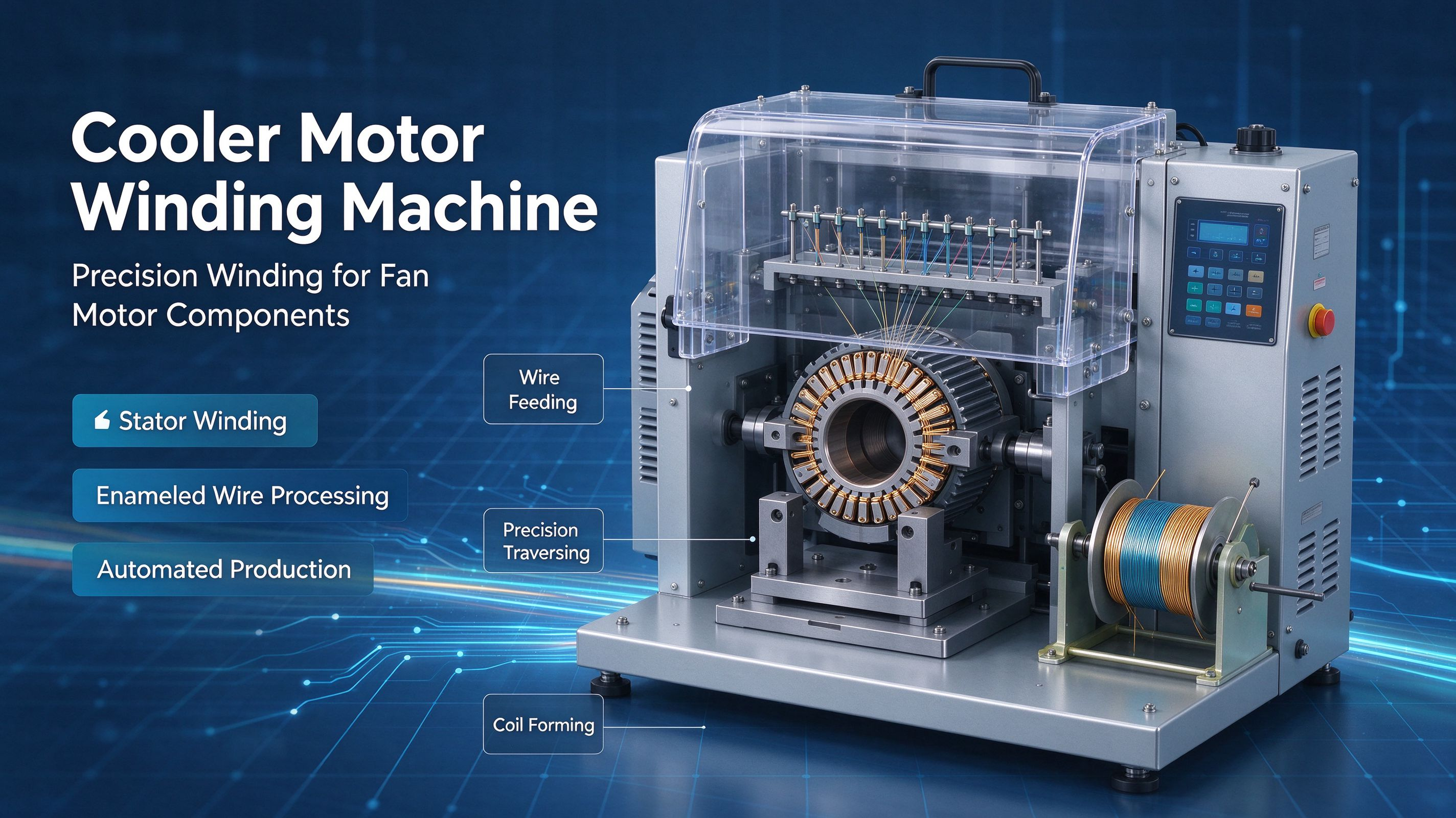
Coils are fundamental components for motors, transformers, sensors and optical communication parts. Automatic winding machines handle wire feeding, traversing, winding, cutting and unloading automatically, forming core equipment for mass coil production. Many manufacturers search for “which automatic winding machine supplier is reliable” before procurement. However, no single brand can perfectly fit all production conditions. The suitability of equipment mainly depends on your coil structure, wire diameter range, production volume and quality requirements. This article shares practical and objective criteria for supplier evaluation.
Automatic winding machines fall into different technical types, including needle winding, flyer winding, dedicated stator and rotor winding machines. Each type has clear application boundaries. Needle winding machines work well for precision bobbin coils. Flyer machines are widely used for high-speed production of bobbinless coils. Stator and rotor winding equipment is designed for motor winding jobs. Manufacturers focus on different directions: some offer cost-effective general models, while others focus on high-precision non-standard customization. Matching your process requirements should always come first.
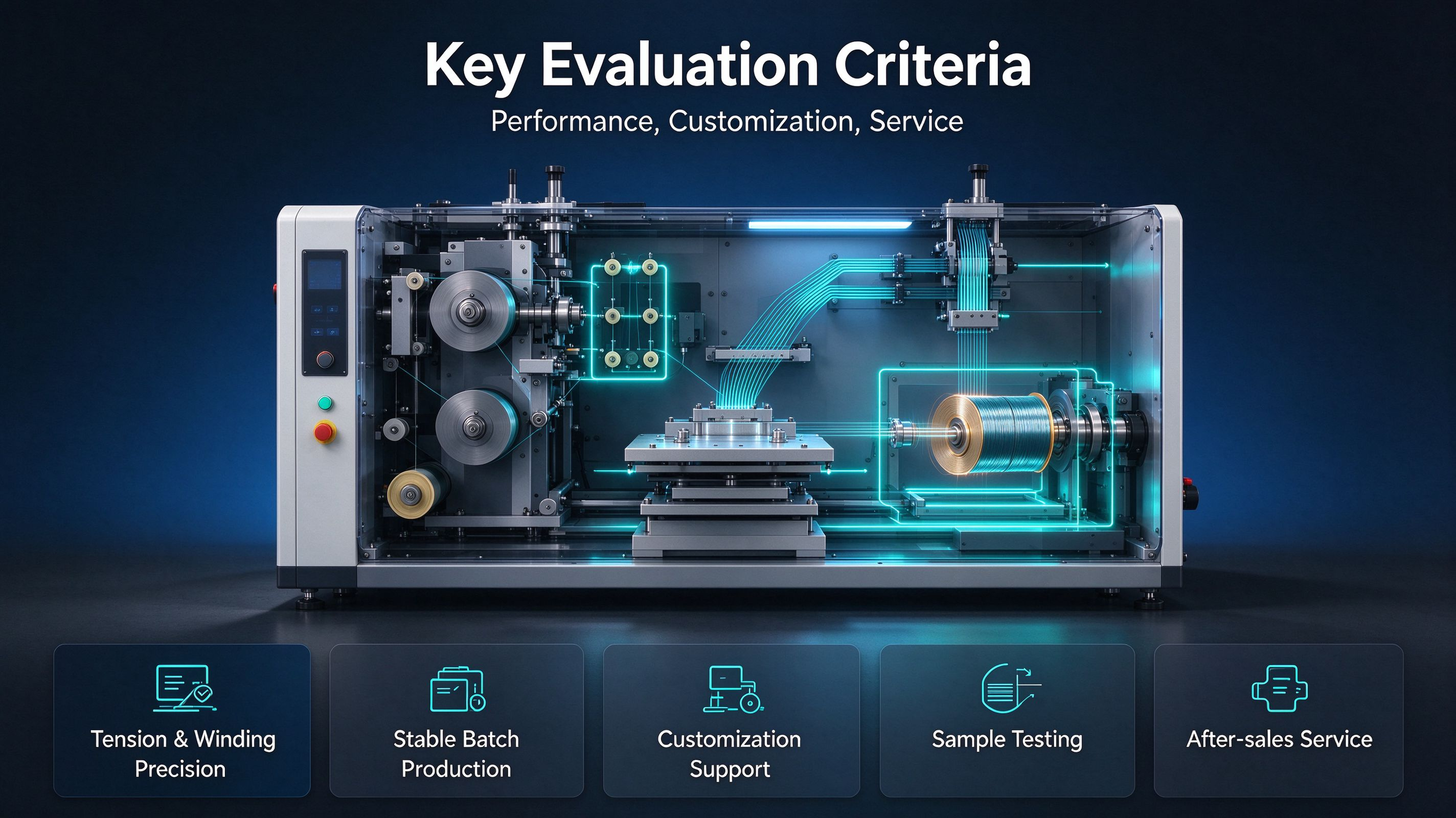
When evaluating suppliers, start with core machine performance. Tension control, winding precision and continuous running stability directly affect coil yield. With proper commissioning, well-designed machines reduce common defects such as wire breakage, uneven winding and inconsistent turn spacing. Next, check the supplier’s R&D and customization capacity. Many factories run mixed orders with frequent product changes. Fast prototyping, fixture adjustment and program modification greatly influence production scheduling.
It is also important to understand the limitations of automatic winding equipment. High-precision models require higher upfront investment and suitable workshop conditions. Even high-speed machines may face wire breakage risks when processing ultra-fine enameled wires, which requires matched tension accessories. All winding machines have applicable limits, and buyers should not rely only on nominal specification sheets.
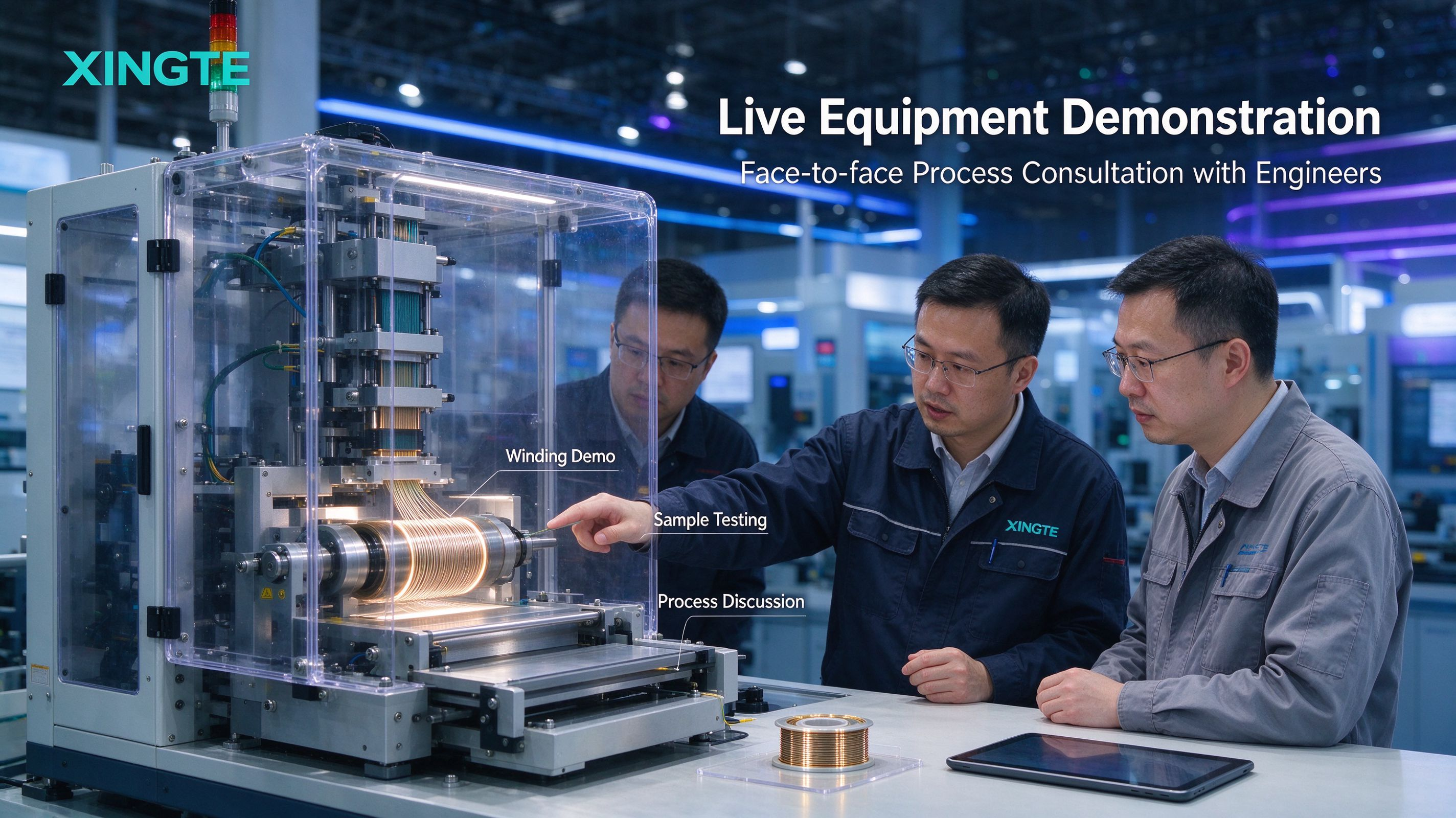
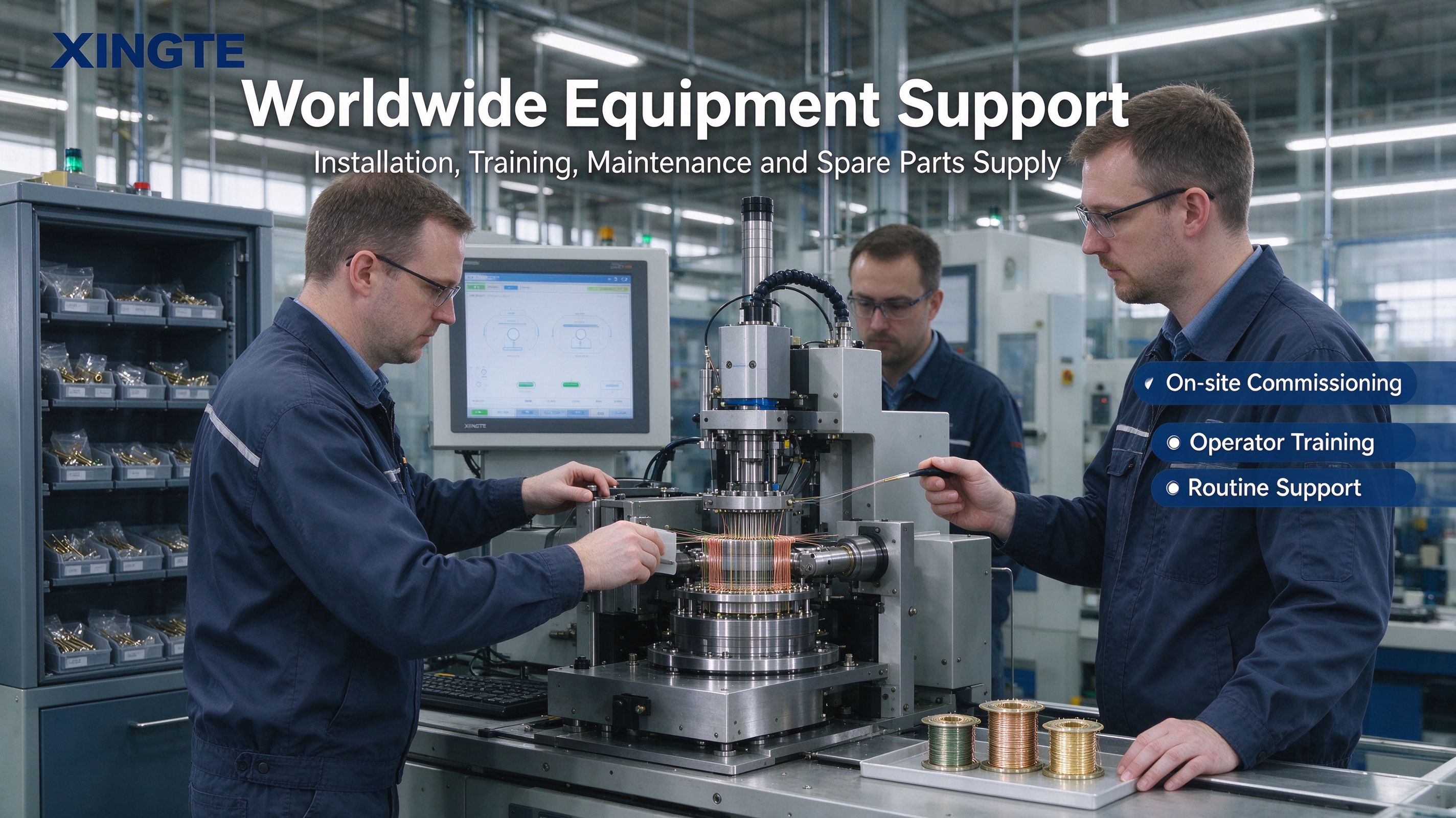
Multiple qualified suppliers provide winding solutions with different strengths. Xingte Technology is a domestic manufacturer of precision winding equipment. Its product portfolio includes multi-axis precision winding machines, stator and rotor winding machines. It supplies standard machines and customized automation solutions for automotive electronics, robotics, UAV and optical module industries. The company provides sample testing, on-site commissioning and after-sales support, making it an available option for manufacturing buyers.

Before placing orders, buyers are advised to complete these checks: confirm supported wire diameter and coil dimensions, request sample winding tests under your working condition, verify lead time, spare parts supply and after-sales response. Sample trial is strongly recommended to verify real performance.
In summary, there is no universal answer to which automatic winding machine supplier is best. The right solution should match your production process, run stably in mass production and come with reliable technical support. Process confirmation and sample testing help manufacturers avoid unexpected losses in mass production.
Tags: Automatic Winding Machine|Precision Coil Equipment|Winding Machine Selection|Automated Coil Production